Education & Learning
Study smarter with the right tools
Tools and frameworks that support independent learning, research, and academic inquiry, explained clearly so you can choose what fits your study routine.

Learning stacks
Tool suites for reading, citing, and mapping ideas
Three practical combinations that cover the core parts of independent study.

Reading
Digital reading stack
Pair a reader app with highlighting and annotation tools so passages, notes, and questions stay in one place for later review.

Citations
Citation capture stack
Use a reference manager alongside a browser clipper to collect sources as you read and keep bibliographies consistent across assignments.
Mapping
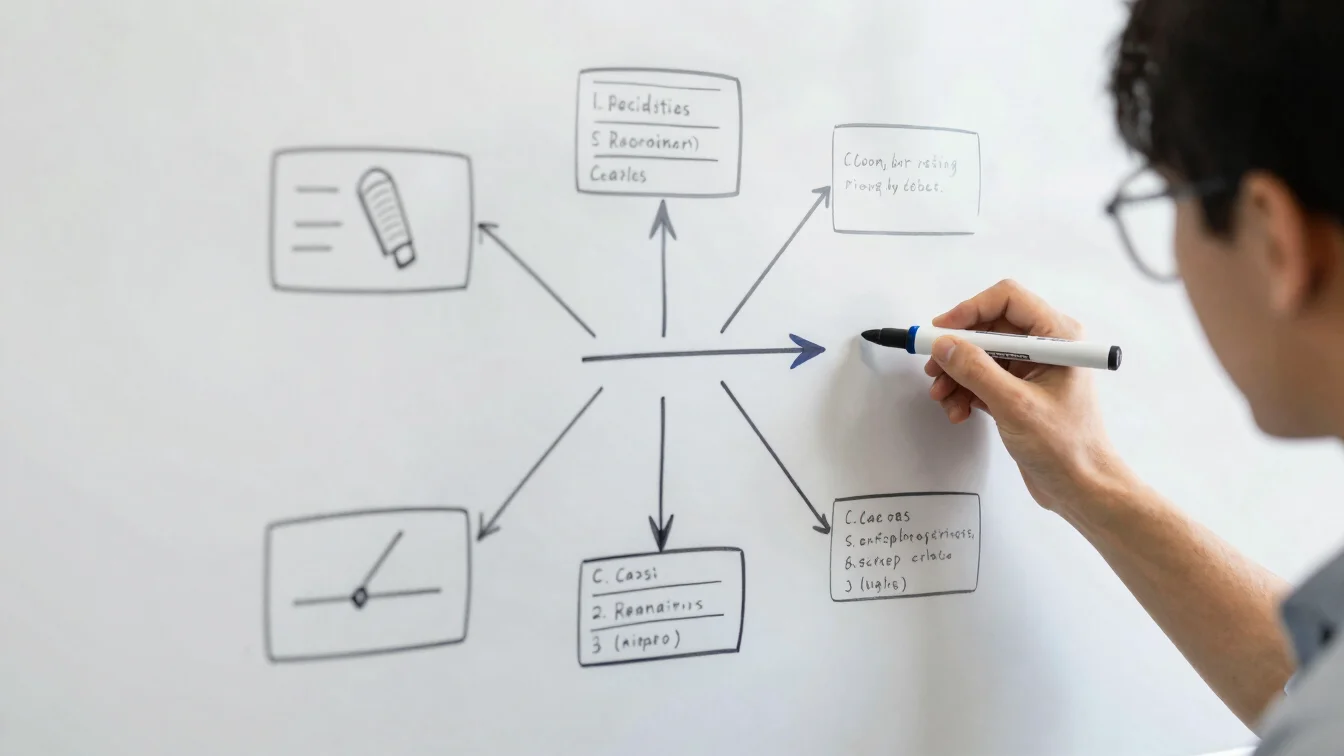
Concept mapping stack
Combine a diagramming tool with a simple outliner to turn scattered notes into clear relationships between ideas before an exam or essay.
Study framework
Four phases of durable learning
01
Active capture
Take notes in your own words while you read or watch, rather than copying passages word for word.
02
Synthesis
Connect new material to what you already know by summarising sections and linking related concepts.
03
Practical testing
Apply the idea through problems, short quizzes, or teaching it aloud to find the gaps you still need to close.
04
Spaced review
Return to the material at increasing intervals so recall strengthens over time instead of fading after the exam.